

How the Institute is governed
The Chartered Institute of Local Governance and Development is governed by a Constitution that establishes a robust, representative, and accountable framework. Our governance structure ensures that the Institute serves the public interest, maintains professional standards, and operates with the highest integrity.
Global Organisational Structure
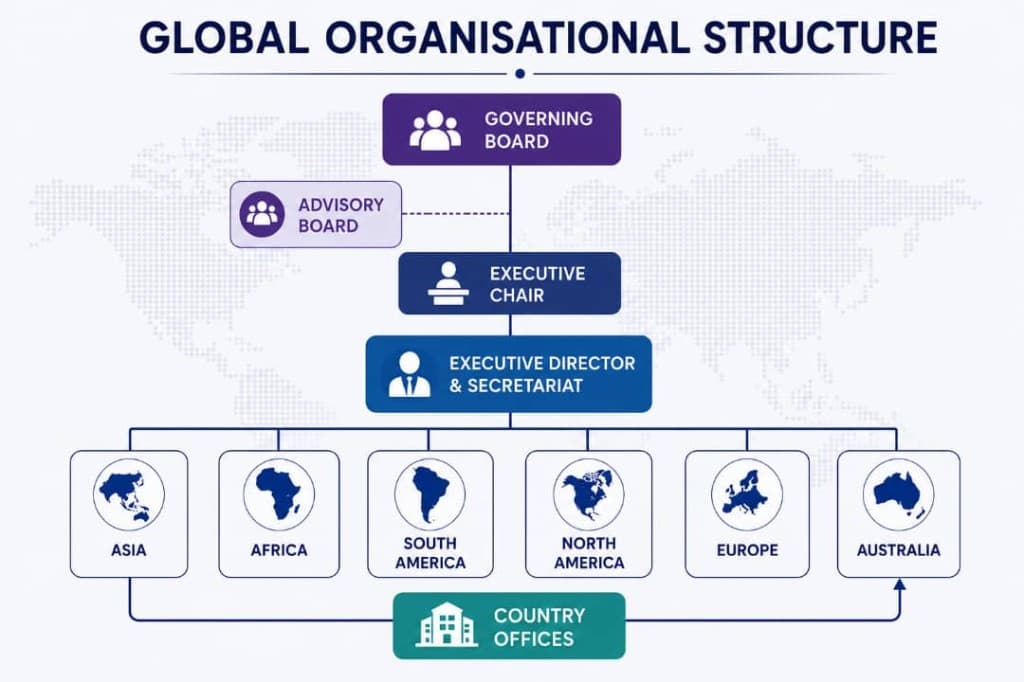
The Chartered Institute for Local Governance and Development (CILGD) is governed by a dynamic structure designed to promote excellence in local governance, leadership development, policy innovation, and sustainable community transformation across the world.
Strategic Governance
Governing Board
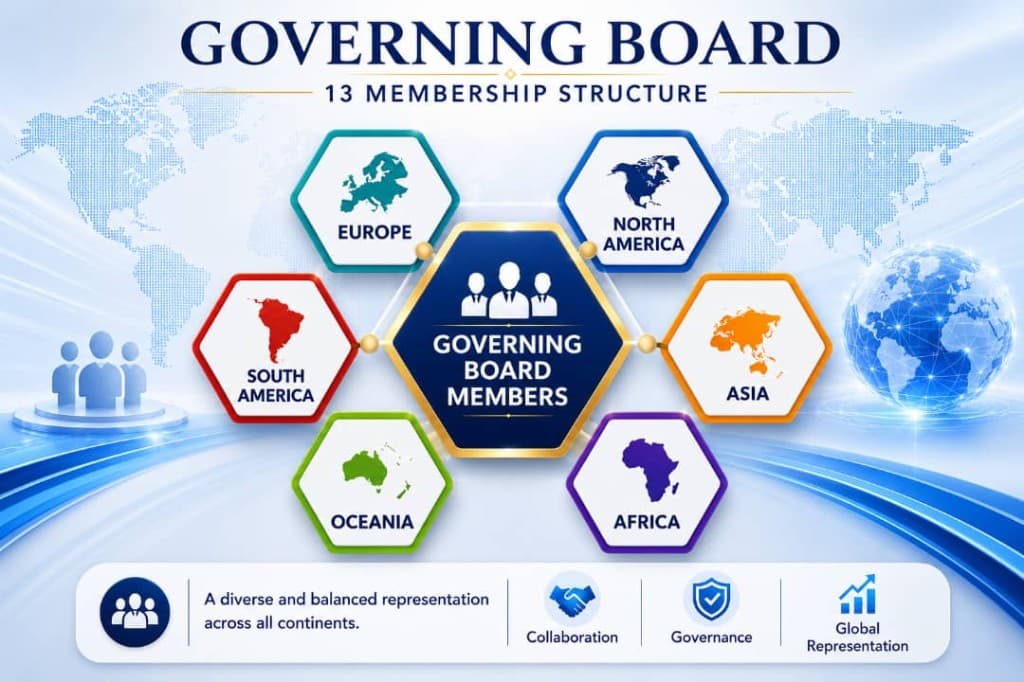
At the highest level, the Governing Board provides strategic leadership, policy direction, and institutional oversight. The Board safeguards the vision, mission, and long-term sustainability of the Institute while ensuring adherence to the highest standards of governance and professionalism.
Advisory Board
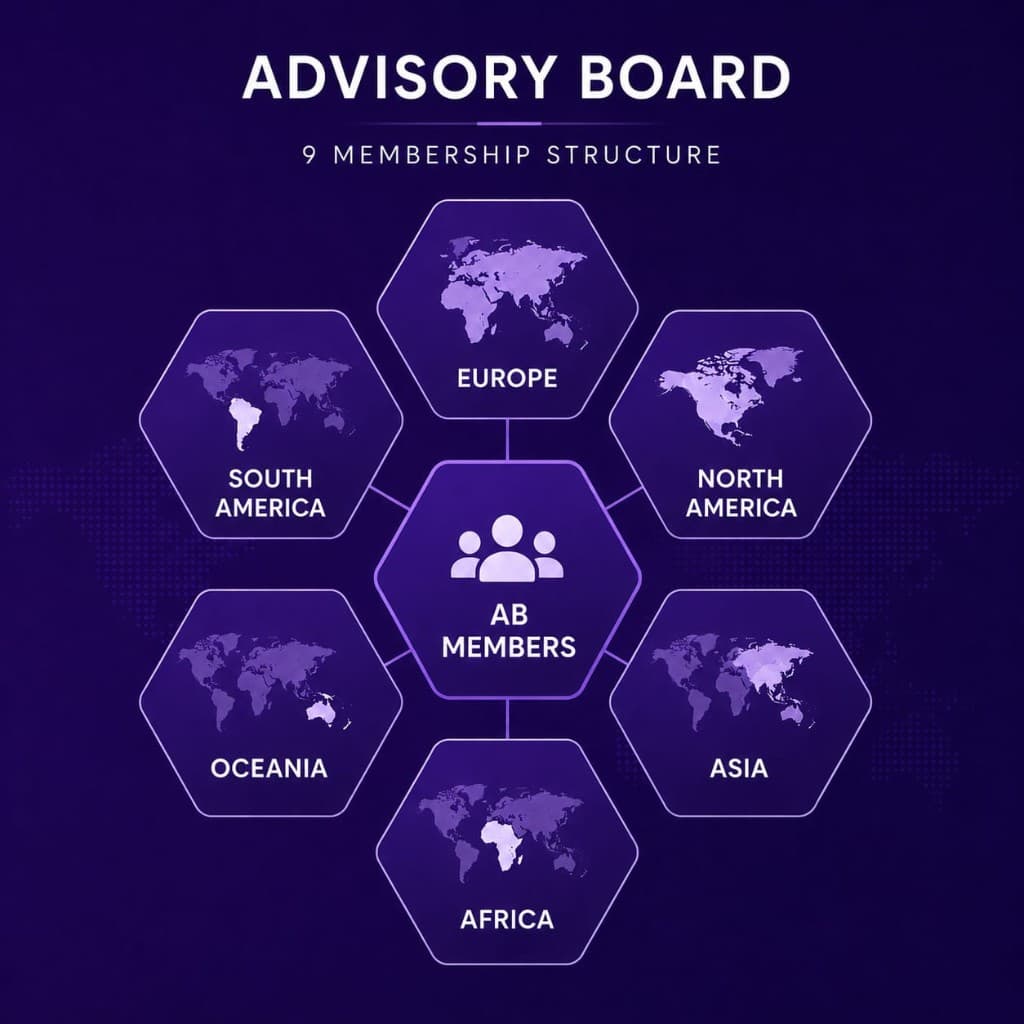
Supporting the Governing Board is the Advisory Board, comprising distinguished professionals, academics, development practitioners, and governance experts who provide strategic counsel, technical expertise, and global perspectives to strengthen the Institute's impact.
Executive Leadership
Executive Chair
The Executive Chair serves as the principal leader of the Institute, guiding the implementation of strategic priorities and fostering international partnerships, institutional growth, and stakeholder engagement.
Executive Director & Secretariat
The Executive Director and Secretariat function as the operational centre of the Institute, overseeing administration, programme delivery, membership services, communications, research, and day-to-day management of global activities.
Global Reach and Regional Coordination
To effectively serve its international membership and partners, CILGD operates through six continental platforms:
- 1Africa
- 2Asia
- 3Europe
- 4North America
- 5South America
- 6Australia / Oceania
These regional structures facilitate collaboration, professional development, policy dialogue, research, capacity building, and strategic partnerships tailored to the unique needs of each region.
Country Offices
Country Offices represent the Institute at the national level, serving as the primary channels for programme implementation, member engagement, stakeholder relations, training, certification, and local governance initiatives. They ensure that global strategies are translated into meaningful local impact.
Our Approach
Global Vision. Regional Leadership. Local Impact.
Through this integrated governance framework, CILGD combines strategic oversight, professional expertise, and grassroots engagement to advance effective local governance, sustainable development, and transformative leadership across communities worldwide.
Standing Committees
Under the Institute's Constitution, the Board is empowered to establish Standing Committees to delegate specific oversight functions and strengthen public trust. Committee membership, terms of office, and governance reporting will be published officially as approvals and formal confirmations are finalized:
Finance Committee
Oversees financial planning, budgeting, and fiscal sustainability.
Audit & Risk Committee
Ensures internal controls, risk management, and independent audit compliance.
Policy & Strategy Committee
Guides long-term institutional planning and international expansion.
Membership Committee
Evaluates applications, progression, and professional standing.
Grievance, Ethics & Governance
Maintains institutional integrity and resolves internal disputes.
Disciplinary Committee
Investigates professional misconduct and enforces the Code of Ethics.
Institutional Integrity
Conflict of Interest
Every Board Member, Committee Member, Officer, or Staff must avoid situations where personal, financial, or professional interests conflict with the Institute. Material conflicts must be declared before deliberations, and the conflicted individual must recuse themselves from voting or influencing the decision.
Political Neutrality
The Institute and its international Chapters remain strictly non-partisan. Any breach of political neutrality by members or officers constitutes grounds for disciplinary action or revocation of status.
Whistleblower Protection
No Member, Officer, or Staff shall suffer retaliation for reporting in good faith any misconduct, financial irregularity, ethical breach, or governance violation within the Institute.